

Stone Synergy: AI-Driven Community Housing
Description
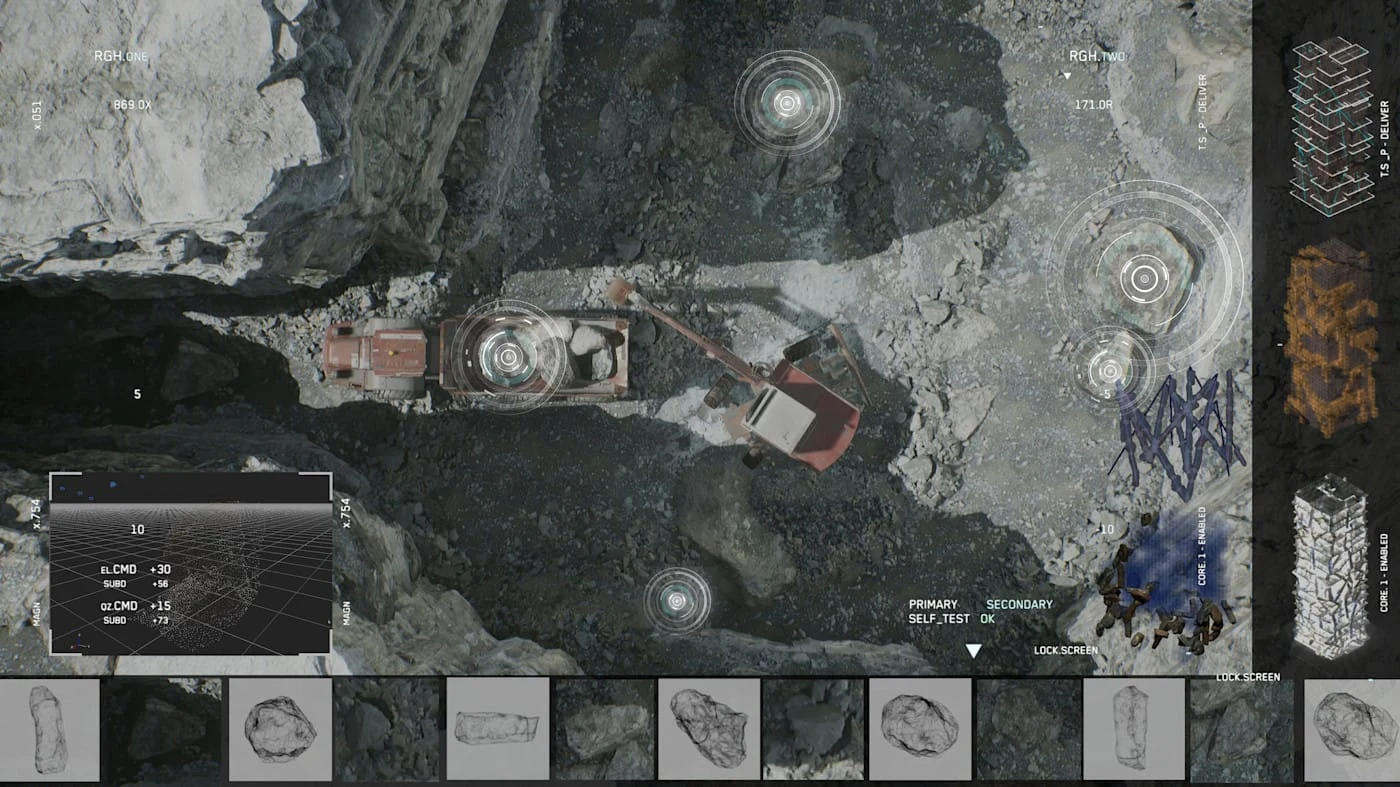
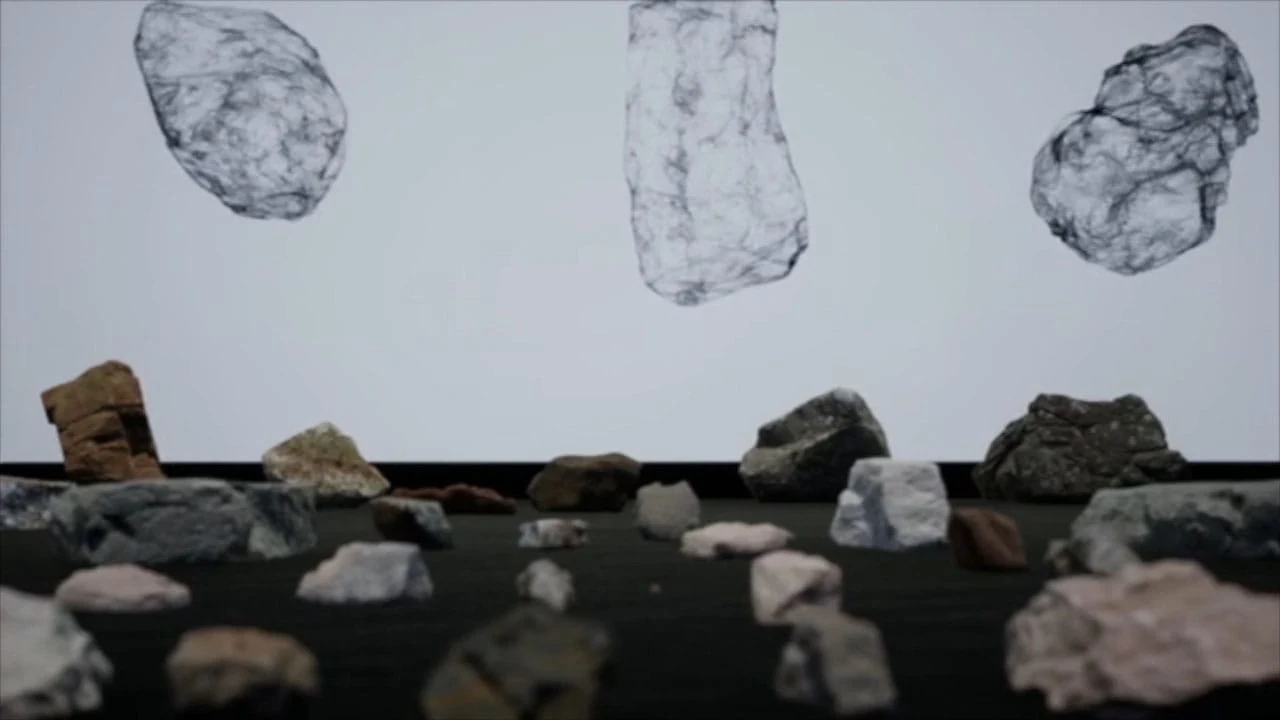
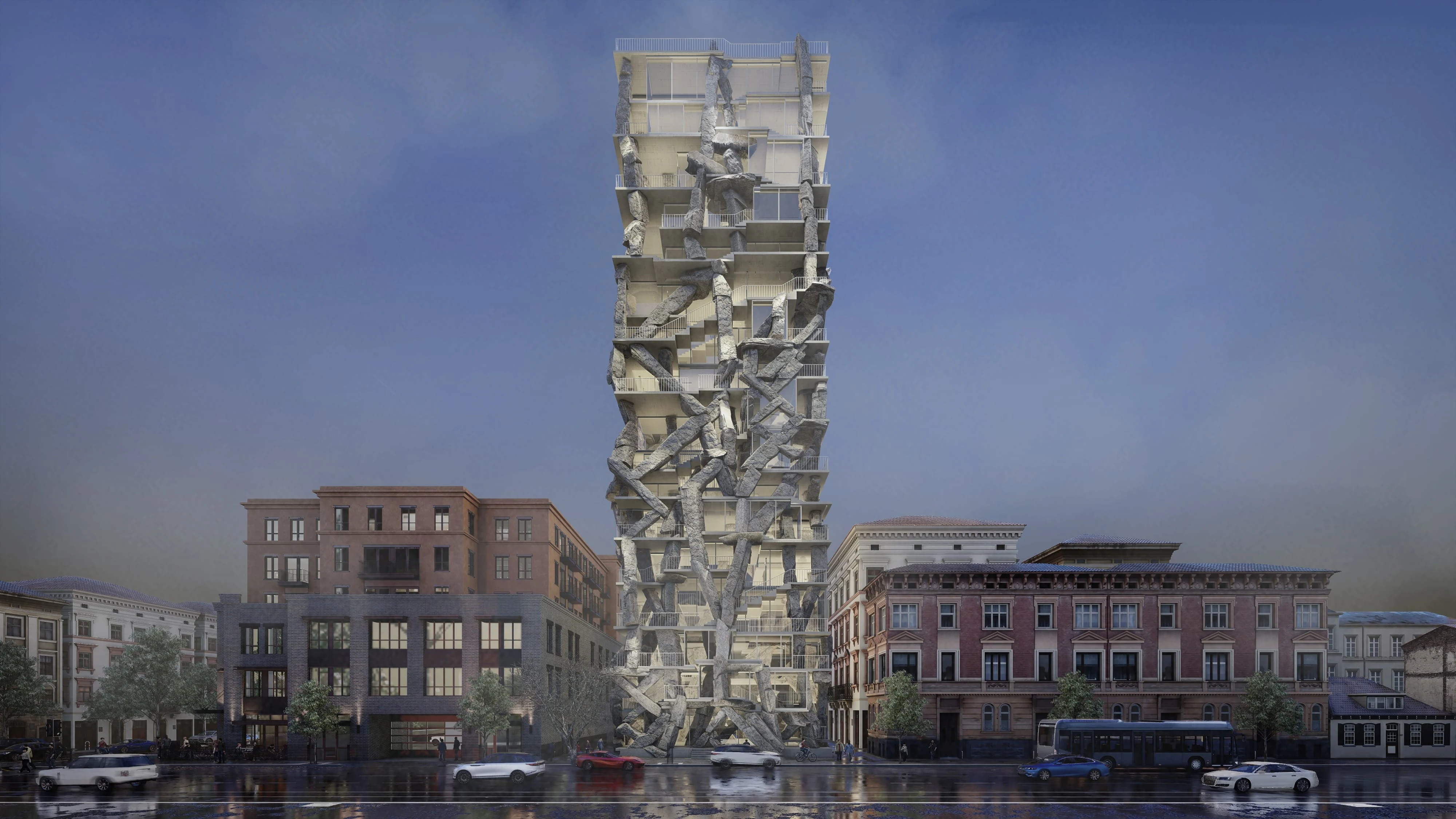
STNE-O confronts the dual crises of climate change and housing scarcity by revolutionizing construction through AI-driven design. Our platform enables communities to co-create sustainable housing via an intuitive configurator, where users negotiate spatial needs and lifestyles. Machine learning algorithms interpret these inputs, transforming crowdsourced low-carbon natural local material data (stone, recycled wood, etc.) into optimized architectural blueprints. By leveraging post-tensioned structural systems, we unlock the potential of irregular, locally-sourced materials for modular, low-carbon mass housing—eliminating reliance on high-emission industrial materials and skilled craftsmanship.
Biography
Olivia Shuning Chen is an architectural designer and researcher, currently a Guest Speaker and Senior Research Assistant at the University of Hong Kong, where she teaches courses on design research, environmental architecture, and digital methods. Her expertise lies at the intersection of computational design, digital fabrication, and architectural automation. She is dedicated to exploring contemporary architecture and urbanism through the lens of these technological methodologies, examining their impact on political and design development processes. Her work bridges advanced computational research with practical application in design and making.
Materials
Components 1-10 - Natural Materials: Raw stone, reclaimed wood, bamboo.
Components 11-12 - 3D Printed Models: PLA printing filament.
Components 13-18 - Composite Material Models: PLA printing filament, steel wire frame.
Component 19 - Robotic Arm: Industrial-grade aluminum, steel, electronic components.
Components 20-21 - Stone Models (Exhibits in Shenzhen Exhibition Area): Raw stone.
Acknowledgments
Design Trust